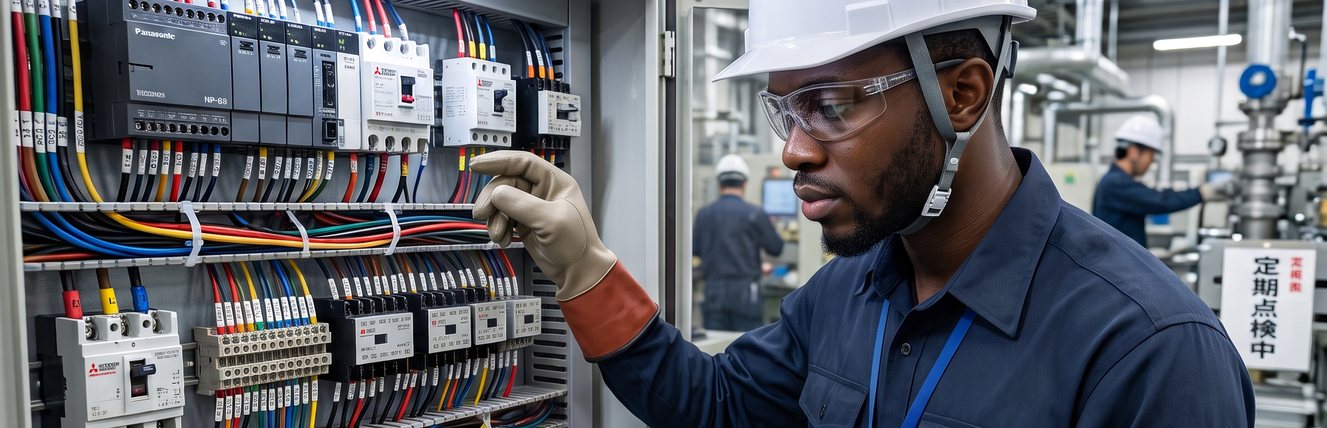
What a purchasing agent actually does
The role does not stop at finding a supplier's name on a list. On a sourcing engagement, it usually covers:
- researching and shortlisting suppliers in the Japanese market;
- a factory visit, checking the workshop actually exists;
- negotiating price, lead time and payment terms;
- quality control and inspection before shipment;
- logistics coordination through to the container or carrier;
- a written, photographed report at each stage.
Why this is not the same as a trading company
A Japanese trading company often builds its margin directly into the price it quotes you, without showing it. An independent purchasing agent bills for the service separately and passes on the actual supplier price: the difference is not the amount, it is what you can verify.
Why sourcing has to happen on site
An email exchange never tells you whether the workshop photographed on a supplier's website is theirs or a subcontractor's, whether the test bench actually exists, or whether the person replying has ever set foot on the production floor. That is checked by visiting, before a significant order is placed.
How to scope a sourcing engagement
Requests that move quickly contain a few elements:
- the product or part sought, with a specification or sample;
- the expected volume and order frequency;
- the target budget, to rule out suppliers outside range from the start;
- required certifications or standards (JIS, PSE, etc.);
- the expected report format;
- a named person on the client side, able to decide quickly when something is off.
When it makes sense
Sourcing a Japanese supplier from abroad without ever visiting the workshop is buying blind. A local agent mainly changes the speed of decision-making: a week to confirm a supplier rather than a month of email, and a price verified before commitment rather than after delivery.