Transport damages what the factory got right
A container that has crossed an ocean, been transferred between ships, and spent weeks at sea never arrives in exactly the state it left in. Handling shocks, humidity, prolonged vibration: transport damage is different from manufacturing defects, and it shows up after the supplier's quality check, not before.
A receiving inspection in Japan catches what no pre-shipment inspection, however thorough, can see.
What gets checked before the truck leaves again
The goods arrive at a Japanese port or warehouse. Before sending them on to the end customer, the essentials come down to a few points:
- packaging condition on opening, photographed before any handling;
- visible damage, shocks, moisture marks or corrosion;
- a power-on functional test where that's possible on site;
- Japanese regulatory markings and voltage/frequency labelling in order;
- a manual or documentation in Japanese, which most end customers expect.
Fixing it before it becomes the customer's problem
A technically sound product can still be rejected by a Japanese customer for a purely documentary reason: no Japanese manual, a missing voltage label, a required mark that isn't there. These are simple fixes if caught before delivery, and grounds for a dispute if found after.
A real example
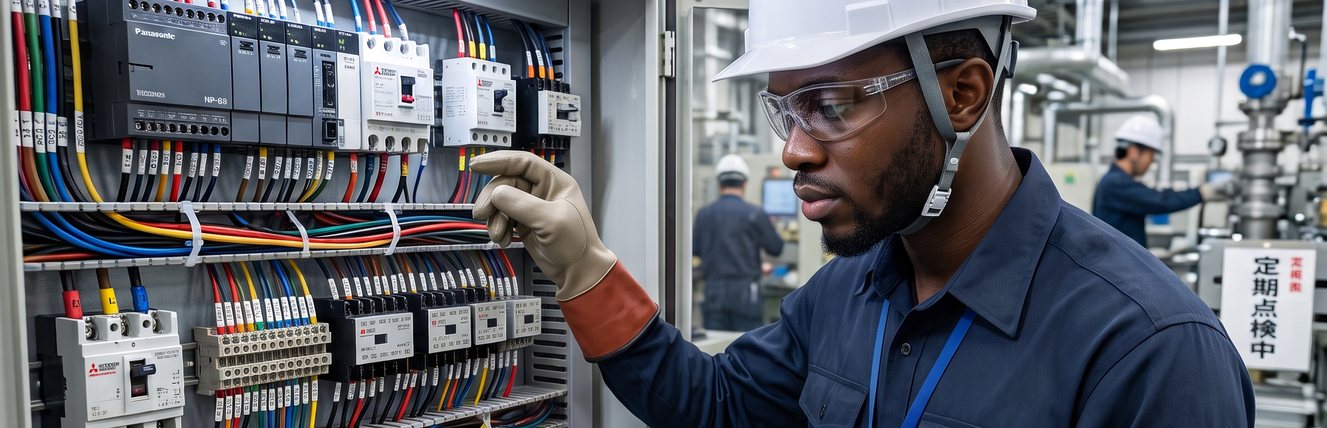
This is the role played, on an ongoing basis, for a foreign company importing electrical equipment into Japan: compliance verification, testing and inspection before every delivery to the end customer, with a report sent before the goods leave the warehouse.
What a useful receiving report contains
Same as a pre-shipment inspection: dated photographs, unit-by-unit condition, and a plain conclusion on what can go out as-is and what needs fixing first.